
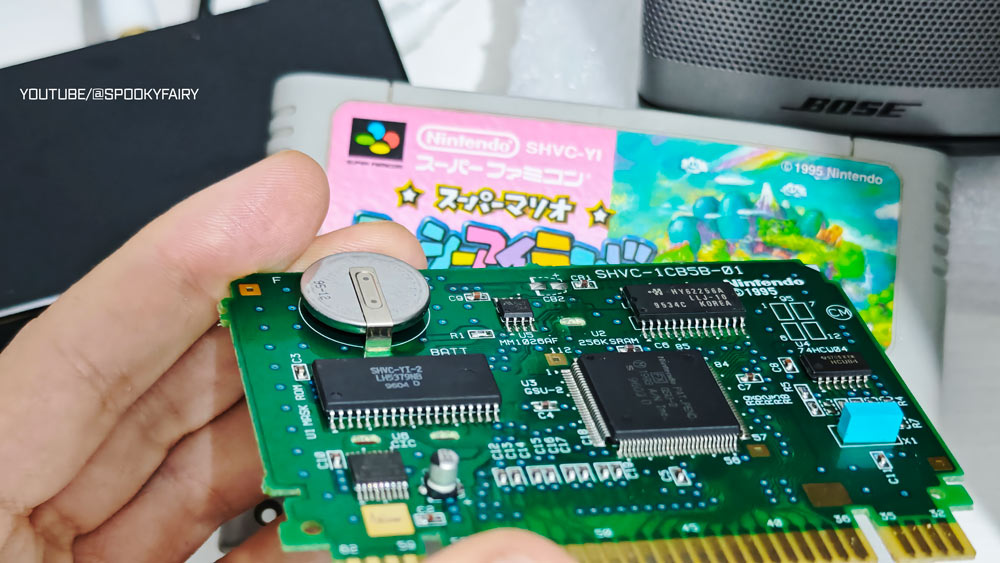
At first glance, Super Mario World 2: Yoshi’s Island looks like any other Super Nintendo cartridge.
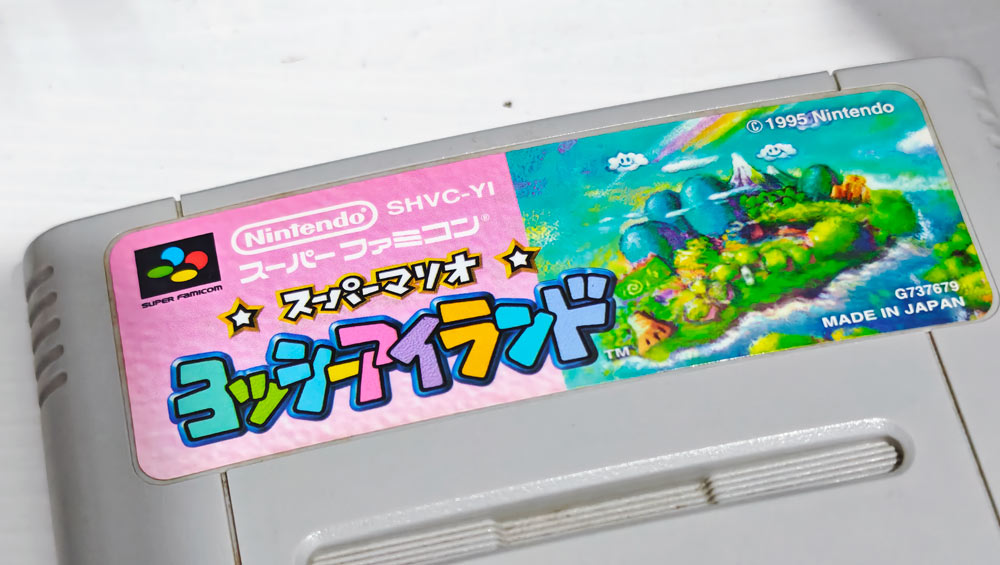
Same plastic shell. Same classic Nintendo feel. Same expectation: plug it into the SNES, turn it on, and let the console do the work.
But the moment you open the cartridge, that illusion disappears.

This is not a simple board with game data sitting on it. The inside of Yoshi’s Island looks far more advanced than a regular SNES game, almost like Nintendo built a tiny upgrade system directly into the cartridge.
And that is what makes this game so fascinating.
Yoshi’s Island is remembered for its hand-drawn art style, colorful world, huge bosses, wild animations, and smooth visual effects. But the real reason it can do so much is hidden inside the cartridge itself.
Nintendo did not just make a beautiful platformer.
They built special hardware to make it possible.
This Is Where the Cartridge Gets Weird
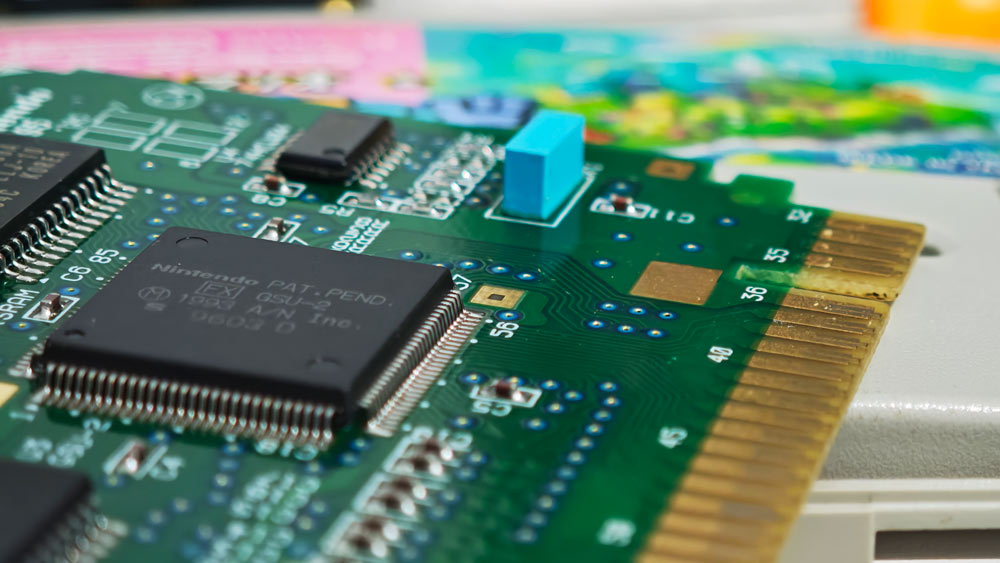
Most SNES cartridges are fairly simple. You usually get the ROM chip that stores the game, maybe save memory, maybe a battery, and that is about it.
Yoshi’s Island is different.
Inside the cartridge, there are multiple important components working together: the main game ROM, save memory, battery backup, timing hardware, support chips, and one very important custom Nintendo processor.
That one chip is the reason this cartridge feels special.
It helped the SNES handle visual effects that would have been extremely difficult for the console to do normally. That includes the kind of scaling, stretching, warping, and big animated effects that make Yoshi’s Island feel so alive even today.
This is why the game does not feel like a normal 16-bit platformer.
The cartridge itself is helping the console.
The Hidden Chip That Changes Everything
The most important part of the Yoshi’s Island cartridge is the Super FX2 chip, also known as the GSU-2.
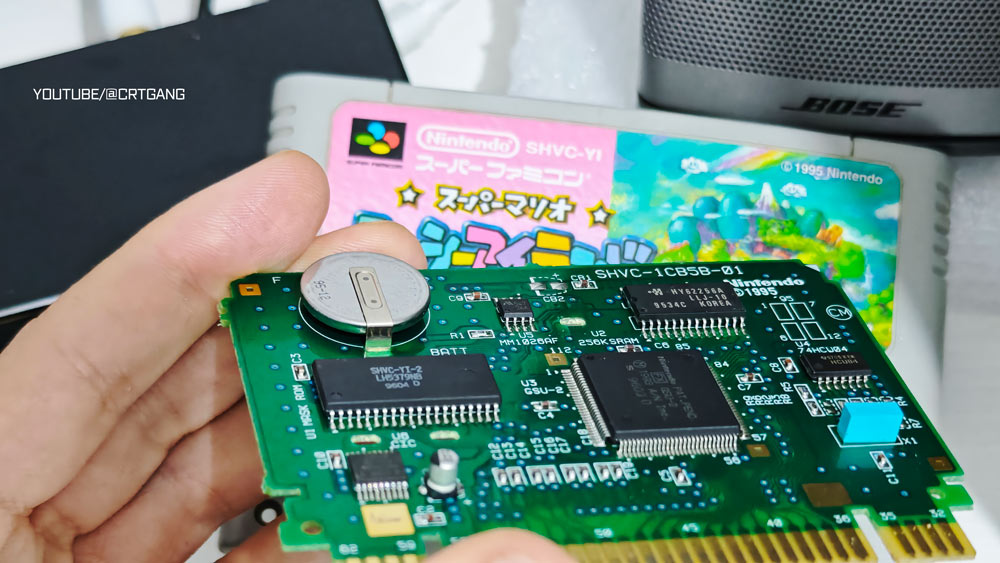
This is not just a random support chip. It is a graphics co-processor, meaning the cartridge has extra processing power built into it.
Most people know the Super FX chip because of Star Fox, where it was used for polygon-style 3D graphics. But Yoshi’s Island uses the upgraded version in a much more interesting way.
Instead of trying to make a 3D game, Nintendo used this extra power to make a 2D game look more expressive.
That is why enemies stretch and squash.
That is why bosses can grow huge.
That is why certain effects feel almost impossible for a normal SNES game.
That is why Yoshi’s Island still looks so smooth and creative decades later.
It is not just great art direction.
It is great art direction supported by custom cartridge hardware.